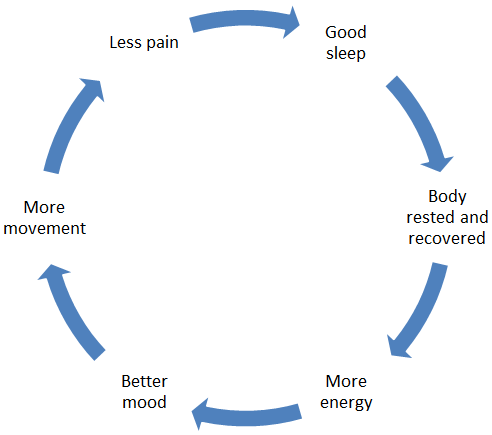
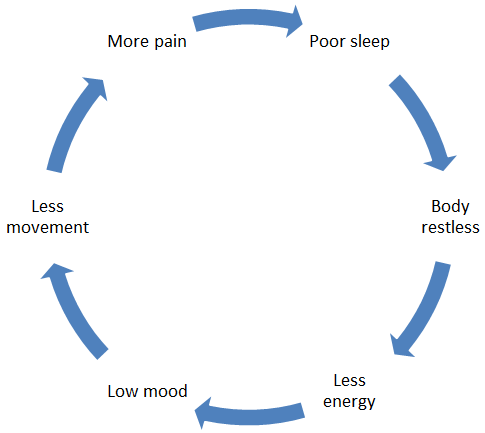
Sleep is a time where our body and minds can rest and recover, allowing us to be re-energized for optimal performance the next day. It isn’t just how much we sleep, but the quality of sleep as well. How well we sleep will directly impact the effectiveness of our immune system, and thus the sensitivity of our nervous system. A less sensitive nervous system means our body will better respond to stimuli that would contribute to the pain alarm system ringing.
Short sleeps, fragmented sleep, and poor quality of sleep have been shown to heighten the sensitivity to pain, thereby increasing risk of chronic disease. Sleep loss has been shown to increase the inflammatory response in the body, making us less resilient in the face of stressors.
How does this all work? Simply put, sleep and pain have been shown to share the same pathways and neurotransmitters!
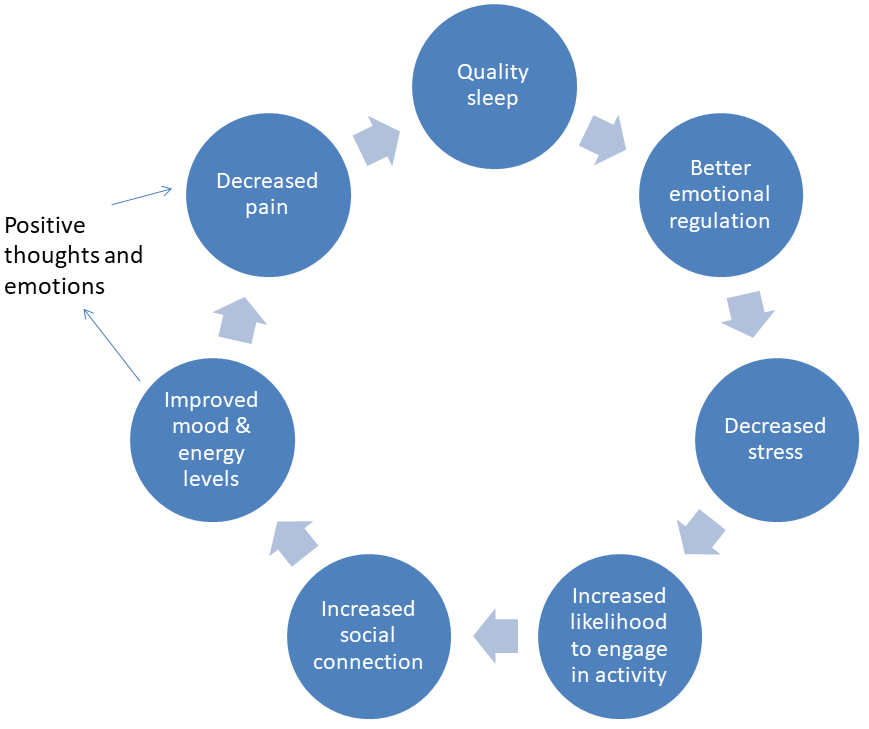
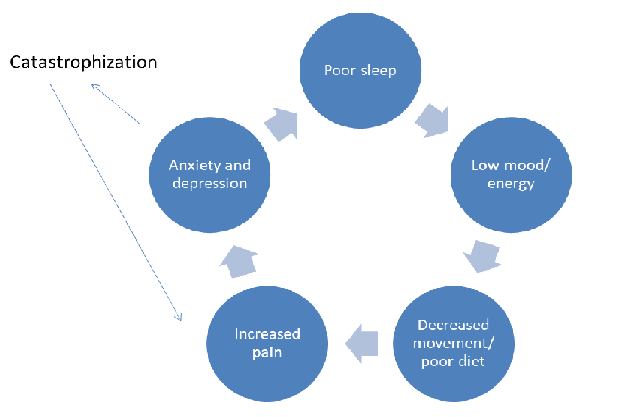
Sleep affects how we think and feel during the day, as well as how much activity we engage in and influences our opportunity for social connection.
Learn more about these contributing factors to pain:
 Against All Pains