Imagine the pelvic floor as a group of muscles that look like a hammock sitting at the base of your pelvis. The hammock will move up or down depending on the demands placed on it. These demands are primarily a result of the pressure system in the abdomen, as the hammock has to support all the organs sitting above.
In females, there are 3 structures that pierce through these muscles – the urethra, vagina and anus. In males, there are only 2 structures that pierce through – the urethra and anus. The pelvic floor muscles are responsible for urination, defecation, passing gas, and sexual function. In females, they also play a large role in pregnancy and childbirth.
The pelvic floor muscles work with the diaphragm to control pressure in the abdomen.
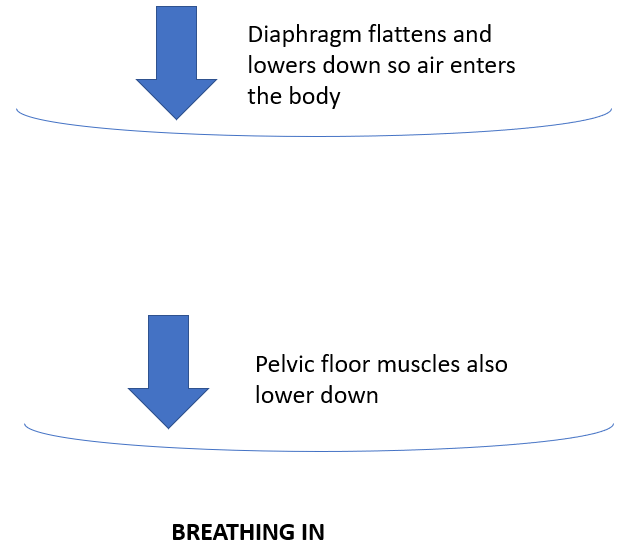
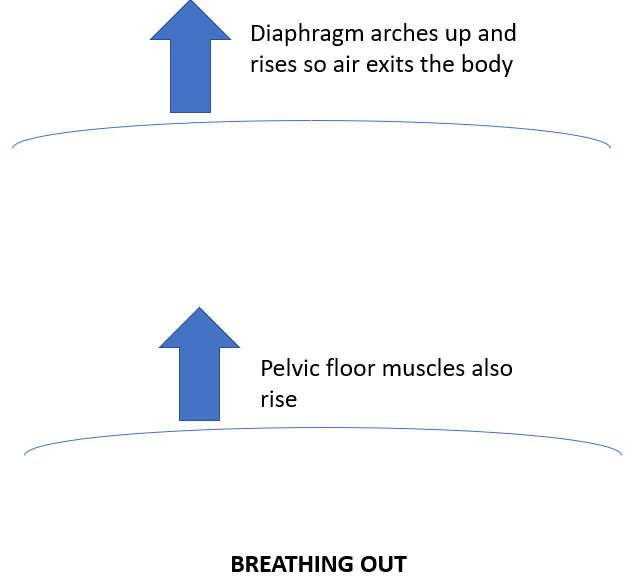
When we inhale (breathe in), the diaphragm contracts and lowers down, and the pelvic floor does the same in response. When we exhale (breathe out), the diaphragm relaxes and recoils, as does the pelvic floor. By moving in unison, abdominal pressure is well-regulated, and demands on the support system in the pelvis are minimized.
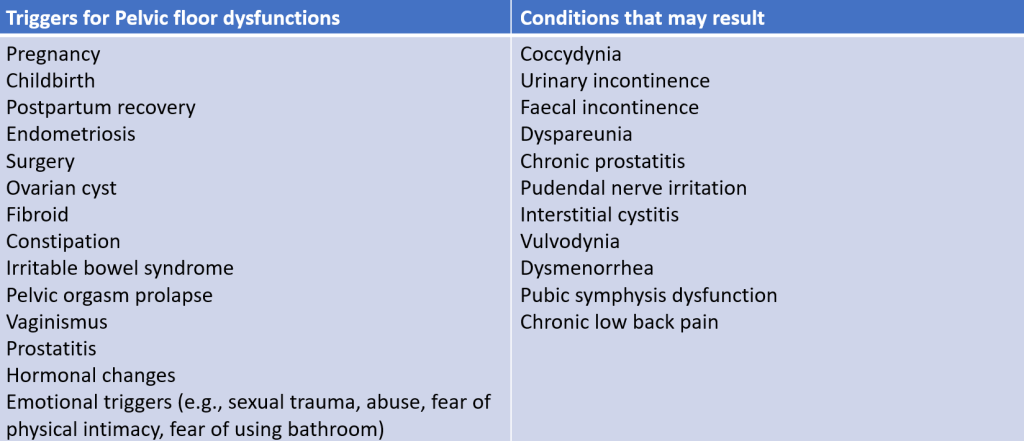
When these typically automatic bodily functions of the pelvic floor start becoming dysfunctional, it may cause urinary or faecal incontinence, sexual dysfunction, and pelvic pressure or pain. There can be many triggers that start the dysfunction, and a variety of conditions can result from them as well. The table below highlights just some of these:
Since our focus has been on chronic pain, how do pelvic issues become chronic in the first place?
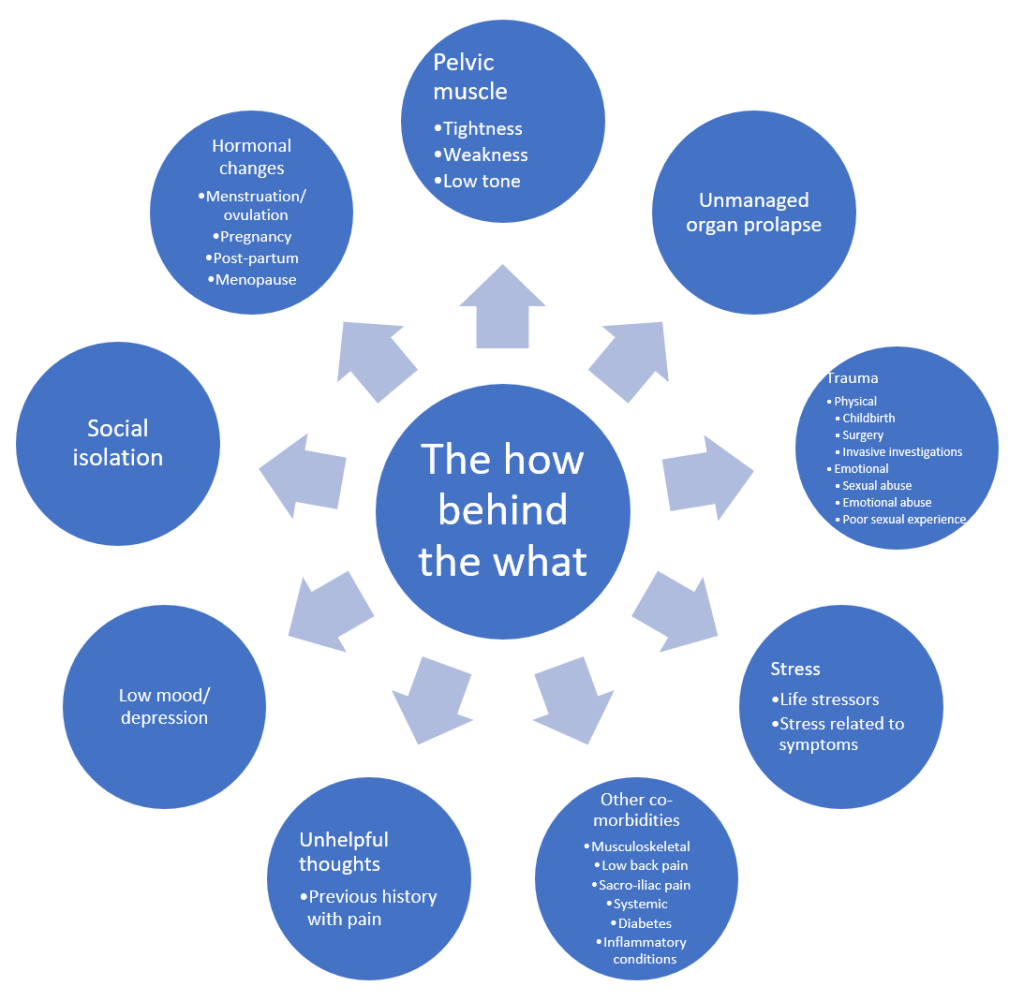
Based on the above potential explanations for chronic pelvic issues, there are many avenues to explore for management.
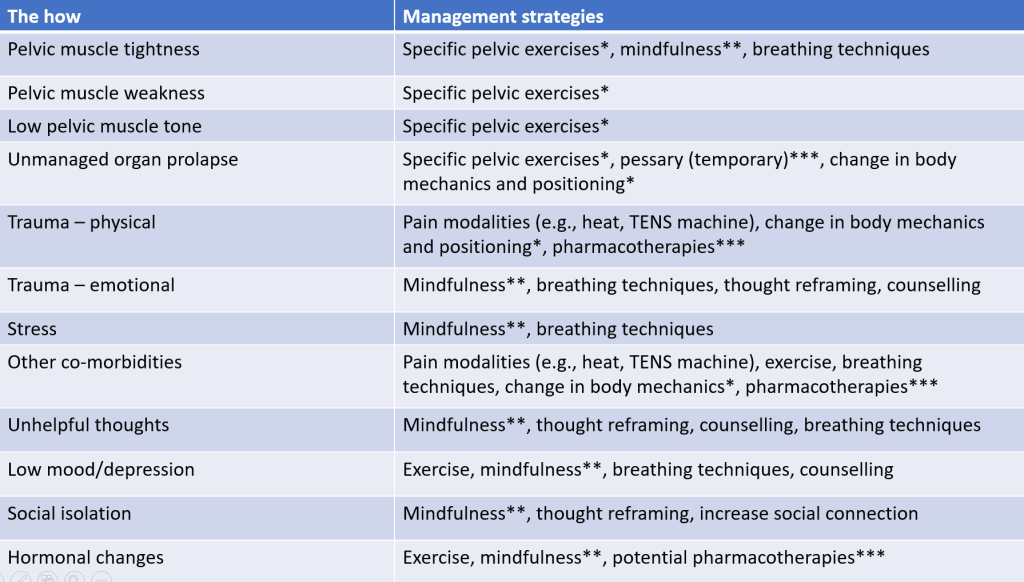
*see a pelvic floor physiotherapist for guidance
**to learn more about mindfulness techniques, click here
***speak to your doctor or pharmacist for guidance
If you are experiencing pelvic issues and are unsure of what is causing them, contact your healthcare provider for a better understanding about what may be going on.
Keep in mind that because the pelvic floor has so many psychosocial factors that may play a role, it is normal for issues to take months before any noticeable change. If after 3-6 months of trying different management strategies have shown no signs of progress, it may be time to get re-evaluated professionally.
Other Resources
- Pelvic floor dysfunction – https://www.pelvicpain.org/index.php?preview=1&option=com_dropfiles&format=&task=frontfile.download&catid=50&id=22&Itemid=1000000000000
- What is Pelvic Floor Physiotherapy? – https://pelvichealthsolutions.ca/knowledge-base/what-is-pelvic-floor-health-physiotherapy
- Incontinence: Urinary and Fecal – https://pelvichealthsolutions.ca/knowledge-base/incontinence-urinary-and-fecal
- Overactive bladder – https://pelvichealthsolutions.ca/knowledge-base/overactive-bladder
- Pelvic Organ Prolapse – https://pelvichealthsolutions.ca/knowledge-base/what-is-pelvic-organ-prolapse-pop
- Bowel dysfunction – https://pelvichealthsolutions.ca/knowledge-base/bowel-dysfunction
- Persistent Pelvic Pain – https://pelvichealthsolutions.ca/knowledge-base/persistent-pelvic-pain
- Endometriosis – https://pelvichealthsolutions.ca/knowledge-base/endometriosis
- Dysmenorrhea – https://pelvichealthsolutions.ca/knowledge-base/dysmenorrhea-painful-periods
- Vaginismus – https://pelvichealthsolutions.ca/knowledge-base/vaginismus
- Vulvodynia – https://pelvichealthsolutions.ca/knowledge-base/vulvodynia
- Dyspareunia – https://pelvichealthsolutions.ca/knowledge-base/dyspareunia
- Interstitial Cystitis – https://pelvichealthsolutions.ca/knowledge-base/interstitial-cystitis-ic-and-bladder-pain-syndrome-bps
- Pudendal nerve irritation – https://pelvichealthsolutions.ca/knowledge-base/pudendal-nerve-irritation?seq_no=2
- Pregnancy and the pelvic floor – https://pelvichealthsolutions.ca/knowledge-base/pregnancy
- Postpartum and the pelvic floor – https://pelvichealthsolutions.ca/knowledge-base/postpartum
- Pelvic girdle pain – https://pelvichealthsolutions.ca/knowledge-base/pelvic-girdle-pain
- Support groups – https://www.pelvicpain.org/public/resources/support-groups
- Chronic Pelvic Pain – https://www.pelvicpain.org/index.php?preview=1&option=com_dropfiles&format=&task=frontfile.download&catid=50&id=15&Itemid=1000000000000
- Endometriosis – https://www.pelvicpain.org/index.php?preview=1&option=com_dropfiles&format=&task=frontfile.download&catid=50&id=20&Itemid=1000000000000
- Interstitial Cystitis – https://www.pelvicpain.org/index.php?preview=1&option=com_dropfiles&format=&task=frontfile.download&catid=50&id=14&Itemid=1000000000000
- Painful congestion syndrome – https://www.pelvicpain.org/index.php?preview=1&option=com_dropfiles&format=&task=frontfile.download&catid=50&id=21&Itemid=1000000000000
- Pelvic girdle pain – https://www.pelvicpain.org/index.php?preview=1&option=com_dropfiles&format=&task=frontfile.download&catid=50&id=16&Itemid=1000000000000
- Pudendal neuropathy – https://www.pelvicpain.org/index.php?preview=1&option=com_dropfiles&format=&task=frontfile.download&catid=50&id=17&Itemid=1000000000000
- Vulvodynia – https://www.pelvicpain.org/index.php?preview=1&option=com_dropfiles&format=&task=frontfile.download&catid=50&id=18&Itemid=1000000000000
- Preparing to see healthcare provider about chronic pelvic pain – https://www.pelvicpain.org/index.php?preview=1&option=com_dropfiles&format=&task=frontfile.download&catid=50&id=19&Itemid=1000000000000
- Resilience interventions – https://www.pelvicpain.org/index.php?preview=1&option=com_dropfiles&format=&task=frontfile.download&catid=50&id=23&Itemid=1000000000000
 Against All Pains