When it comes to chronic pain, it is not uncommon for people to seek a quick fix. Pain becomes uncomfortable, maybe even intolerable. It becomes more and more frustrating. The feeling of hopelessness sets in. It makes sense to want it gone as quickly as possible!
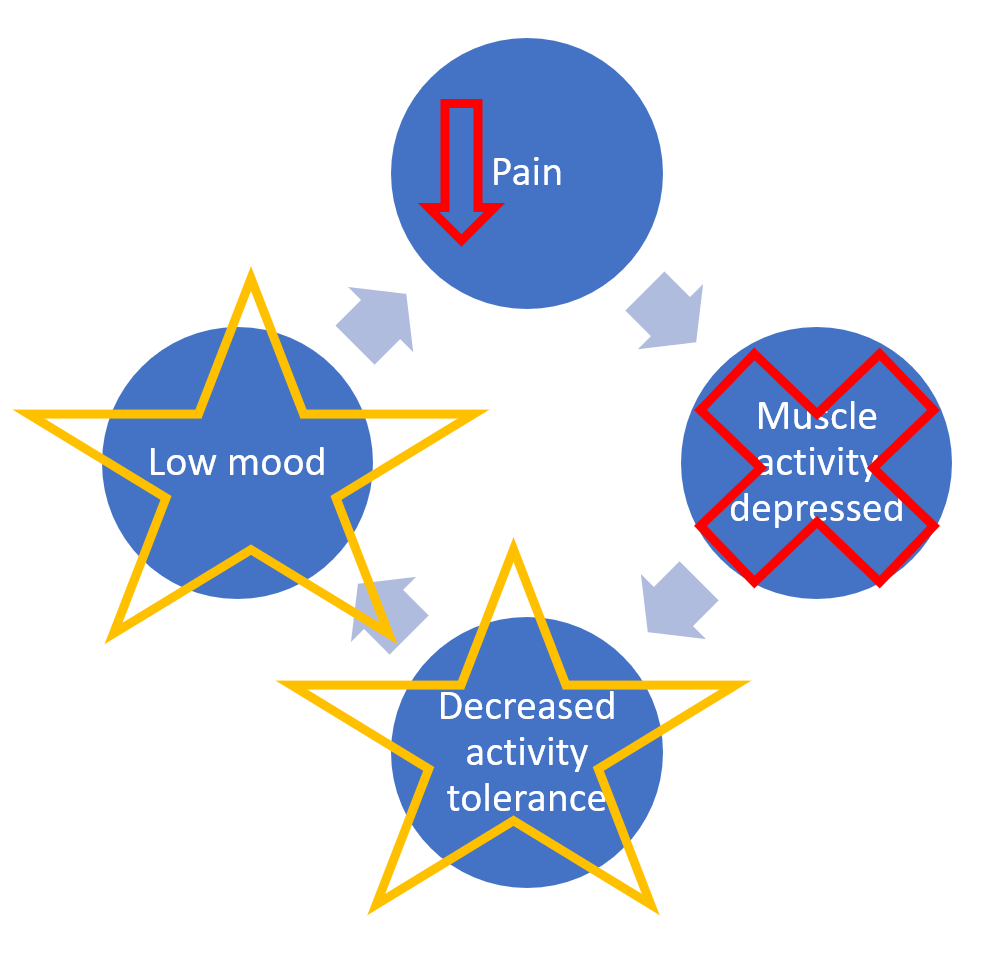
Medications can help relieve pain; however, with chronic pain, it should not be the only management plan. Unless it is coupled with some sort of active strategy to improve quality of life, the pain inevitably returns. Yes, it is important to temporarily relieve pain. Why?
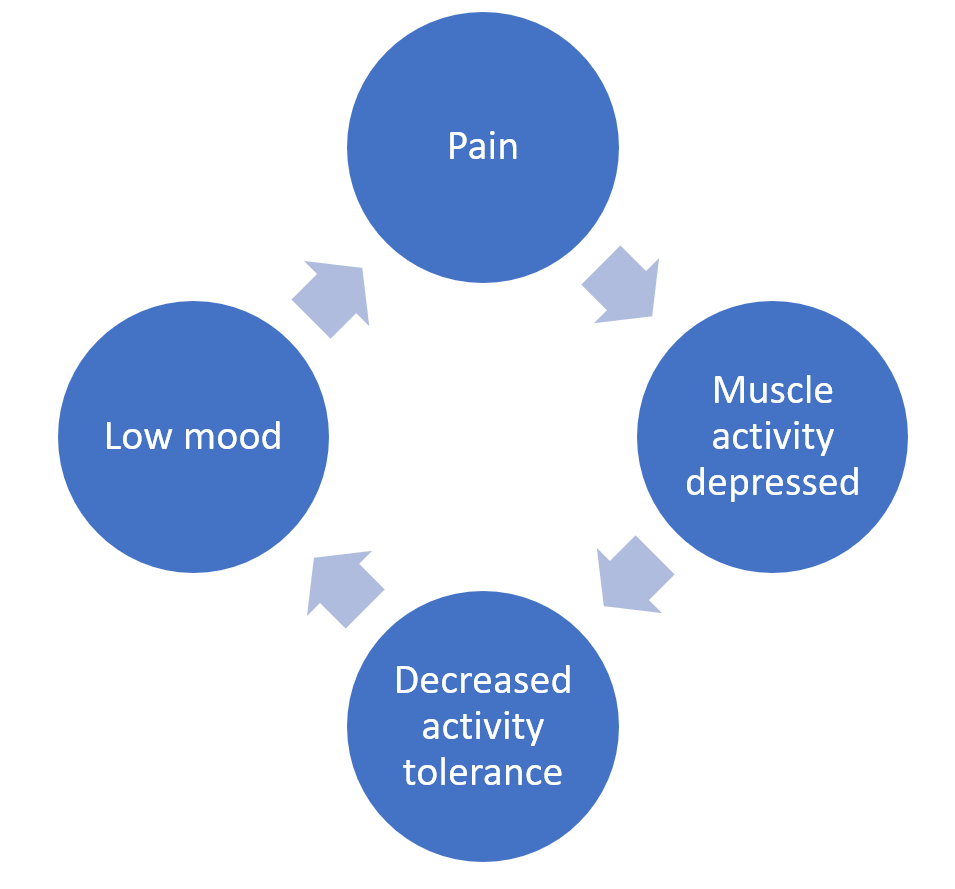
So yes, let’s use pain medications in the interim, but when that pain is relieved, make sure to be proactive in improving your function and mood!
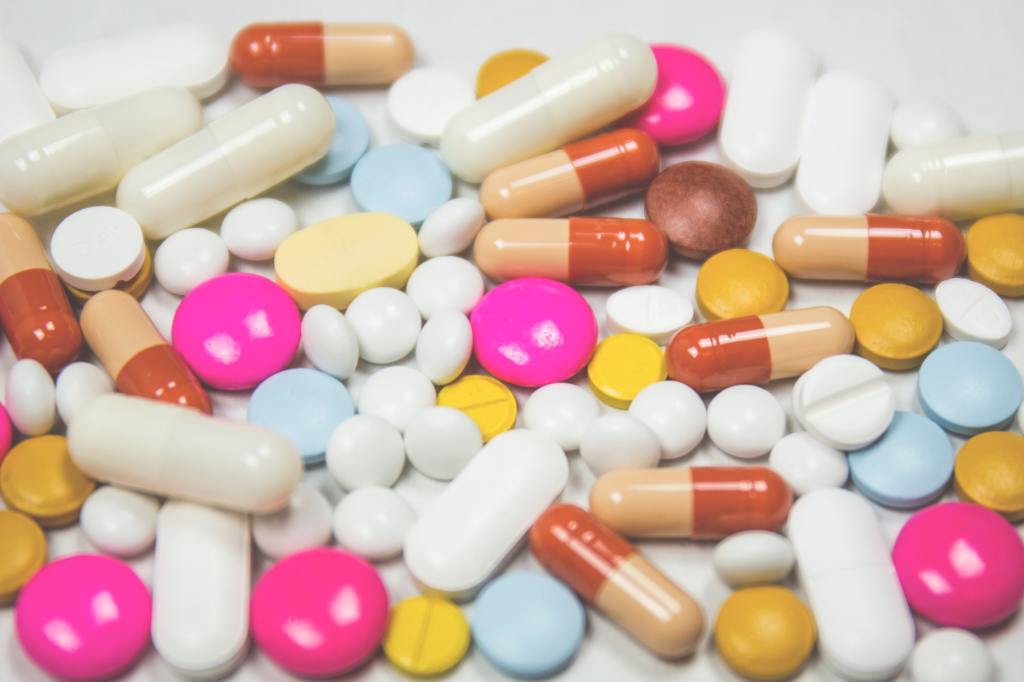
There are many types of medications available for pain relief. We will be focussing on opioids (or narcotics) as they are stronger and more addictive than other drugs. That is why opioids cannot be purchased over-the-counter, and require a prescription. Examples include hydromorphone, morphine, codeine, fentanyl, and tramadol.
Before going into opioids and pain, let us go over differences between tolerance, dependence and addiction:
- Tolerance: effects of the medication have plateaued as the body has accommodated to it – need a higher dose to reproduce the same effect
- Dependence: the body relies on the medication for its results – if stopped, there will be withdrawal
- Addiction: the body now has an uncontrollable desire for the pleasurable effects of the medication, or to prevent the unpleasant effects of withdrawal – it can include both tolerance and dependence -> drug-seeking behaviours may emerge if the medication is not taken
As a result of the strength of opioids, there is a risk of misuse, which is why prescriptions are required and they are tightly regulated. Opioids are not a long-term solution for pain, except for very specific cases such as cancer.
Side effects of opioids may include:
- Decreased concentration
- Worsening memory
- Poorer judgement
- Difficulty problem solving
- Drowsiness
- Slower movement
- Decreased alertness
It is important to try other classes of medication for pain management before resorting to opioids. Also try various medications from the same class of opioids before moving on to stronger ones. Consider how pain affects function. If the pain is tolerable, is it worth the risk of these side effects?
What makes opioids ineffective in long-term management of pain is the phenomenon of opioid-induced hyperalgesia. This is when the body builds up tolerance for the drug, so a higher dose is needed for the same pain relief. With higher doses comes increased side effects, and can actually increase pain! At that point, the best course of action is to start tapering down the dosage. Due to potential withdrawal and temporarily increased pain, weaning off opioids should be done with medical supervision.
After all this talk, let’s not give all opioids a bad reputation. There are good ones – just not the kind that needs medications to be prescribed. Our bodies naturally produce opioids! These are called endogenous opioids, as opposed to exogenous ones we introduce into our bodies. Endogenous opioids include endorphins and enkephalins. These are released through activities such as cardiovascular exercise, playing an instrument, singing, painting, dancing and colouring.
Now that we know the difference between endogenous and exogenous opioids, this leads to another downside of taking such medication. It depresses our naturally produced ones! That is why they can become addictive! Instead of relying on exogenous opioids, perhaps shift the mindset to producing more of our own. Try out some activities you enjoy. Get creative. Be active. They all help with chronic pain management.
Of course, short-term pain relief is important. But once the pain is tolerable, do those things you love. Spend time with loved ones. Laugh. Move more. Live more fully. You will feel better mentally, physically and emotionally. That will provide effective long-term pain relief!
 Against All Pains