| Acute Pain | Chronic Pain |
| <3-6 months of symptoms persists only for as long as normal tissue healing occurs often managed by treating local tissue | >3-6 months of symptoms persists beyond normal tissue healing time often requires managing psychosocial factors influencing pain (e.g., previous experiences, thoughts, beliefs, fear, stress) |
| example: sprained ankle, fractured wrist, strained hamstrings, childbirth | example: osteoarthritis of knees and hips, frequent headaches, low back pain, fibromyalgia, phantom limb pain |
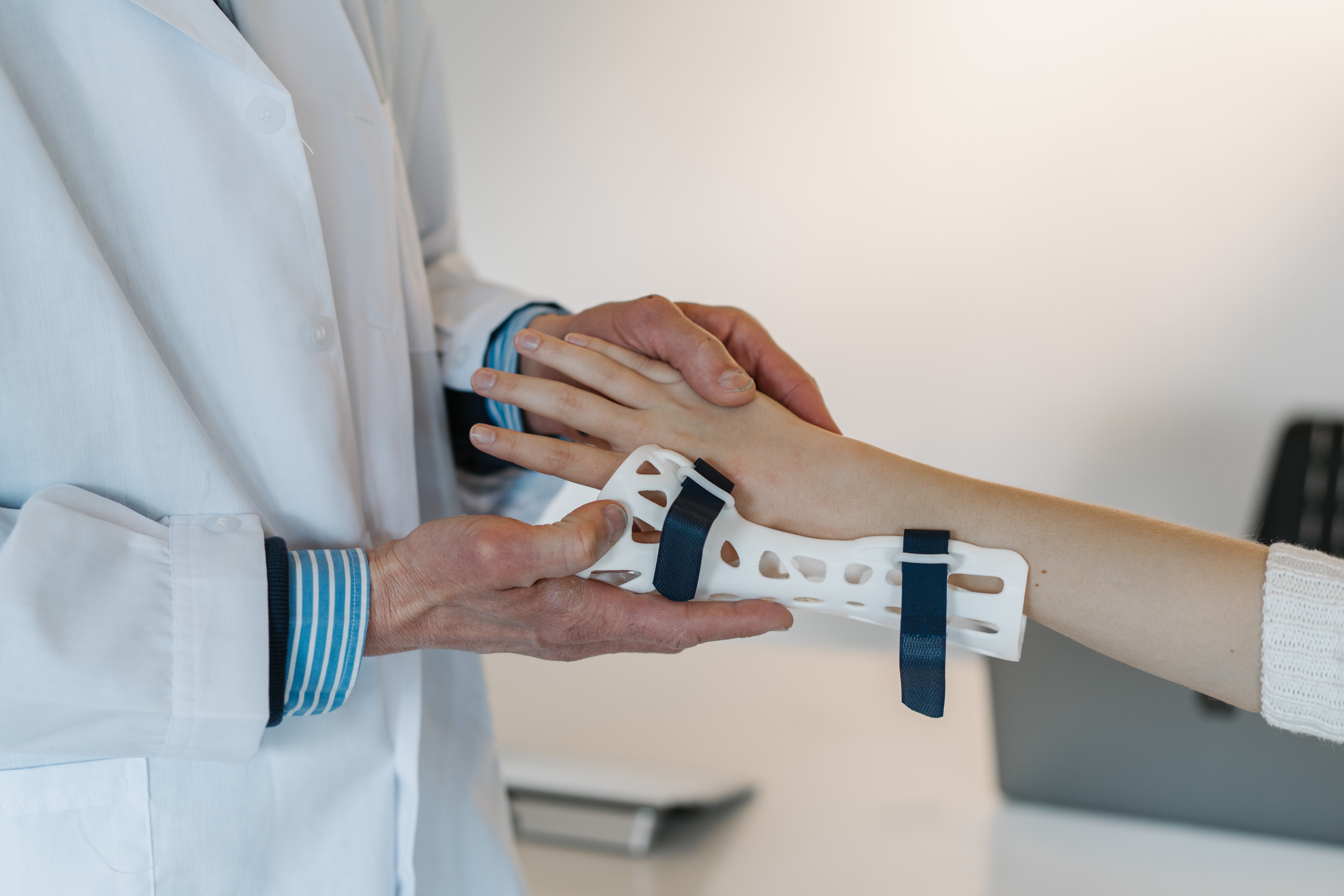

How do I know if my tissues should have healed?
The truth is, you might not know. The type of tissue (e.g., tendon, ligament, bone) will affect healing time, as each tissue heals at different speeds. The degree of injury will also affect healing timelines. There are other factors that influence tissue healing, such as age, other health conditions, and lifestyle.
What we do know is that all tissues heal! This is regardless of anything we do for it (although managing acute pain often helps speed recovery). Any pain that lasts longer than the typical window of recovery is due to a sensitized nervous system. The pain threshold has lowered and thus pain persists. The issue at the physical (tissue) level has resolved! Chronic pain is about treating all those contributing factors to pain, starting with education on pain itself.
Different models of managing pain
 Against All Pains