Pain During the Perinatal Period
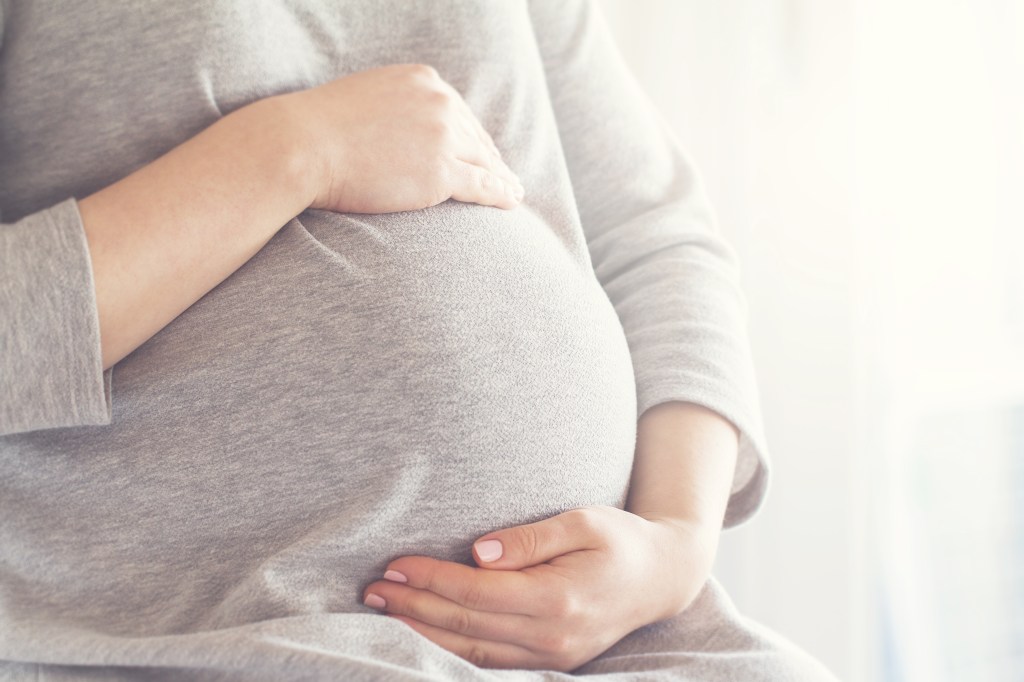
There are many complexities surrounding perinatal pain. A simplified overview of some things to consider when dealing with such pain follows.
For the birthing person
First, we have to understand the changes that occur in the birthing person.
In pregnancy, consider:
- Increased pressure on the pelvic floor -> Increased demand on the pelvic floor muscles
- Decreased ribcage expansion
- Uterine expansion -> Abdominal wall distension to make room for baby growth, and ensuing decreased low back support
- Hormonal changes which can affect pain perception and management
- Increased weight overall
- Postural changes and balance challenges with centre of gravity changes as the body adapts
During birth, consider:
- Original birth plan and any changes made during the process -> Was it willingly or not?
- Pain management strategies used (and not used)
- Vaginal vs. C-section birth
- Length of time of labour and push (if any)
- Any physical trauma in birth (e.g., instrument usage, tearing, episiotomy, C-section surgery)
- Support team present for birth and effectiveness of their support -> Wanted or unwanted?
- The baby
- Was the baby happy and healthy? Any scares as they entered the world?
- Are you keeping the baby or choosing to give it away?
- If giving away, is it willingly or not? Was it the plan at conception (i.e., surrogate)?
With all of these factors, we can predict many pains that may be felt. Low back pain, midback pain, abdominal pain, heartburn, swelling in the lower extremities leading to discomfort, increased demands on the feet, pain in the ribcage area are just a starting point!
For the birthing person & birth partner (if applicable)
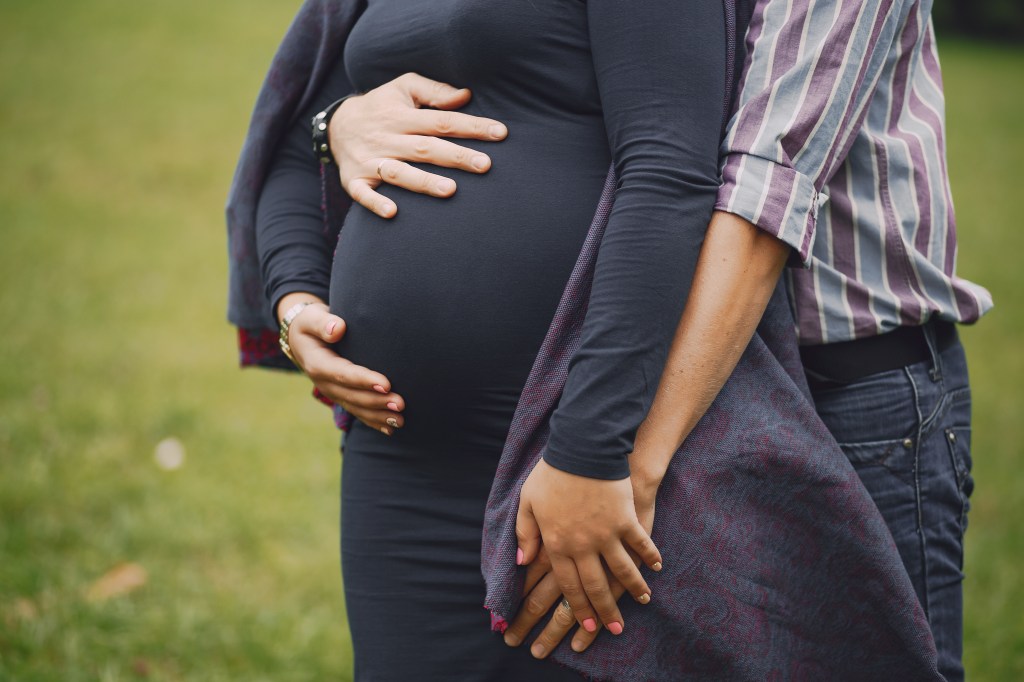
After birth, pain can look a million different ways, because no one’s journey will look the same. Is there a live baby? Are you caring for the baby or giving them away? Perhaps there is more than 1 baby? Is the birth partner around to help every day? How did the birth partner handle the delivery?
Parenthood is a whole new world. Let us shift toward the mindset that there is a live baby that has been welcomed into the family.
Things to consider when examining pain in both the birth person and birth partner include:
- The new responsibility of caring for a baby (lifting, bending, feeding, diaper changes, carrying)
- Sleep deprivation -> Less rest and recovery time for the body
- New relationship roles and views of the other person
- Have household chores changed hands?
- Does the partner seem more strong, more fragile, more irritable, more loving?
- The new relationship with the baby
- What is the interaction with the baby like?
- What emotions are felt regarding the new addition to the family?
With all of these changes, of course there are psychosocial factors that can influence pain. This will be further explored here (link to articles & resources). In regards to the physical pains, body mechanics and ergonomics are extremely important. With the baby demands, poor posture and mechanics or new repetitive movements can easily lead to joint and muscle pain, as well as postural pains. Preparing the body for this major life event can be helpful, so starting exercises during the prenatal period are highly recommended. However, if such physical preparation was not done, there are exercises and stretches to help deal with physical pains postpartum as well.
To delve deeper into the pelvic pain, pain in pregnancy and postpartum, potential factors that can influence chronic pain, and how to manage both acute and chronic perinatal pelvic pain, click here.
 Against All Pains